
About Baynesfield
The Joseph Baynes Estate Board of Administration Will Trust (Trust) was formed in 1925 on the death of Joseph Baynes and is registered as a Public Benefit Organisation. The Trust is directed by a Board of Trustees in terms of the will of Joseph Baynes.
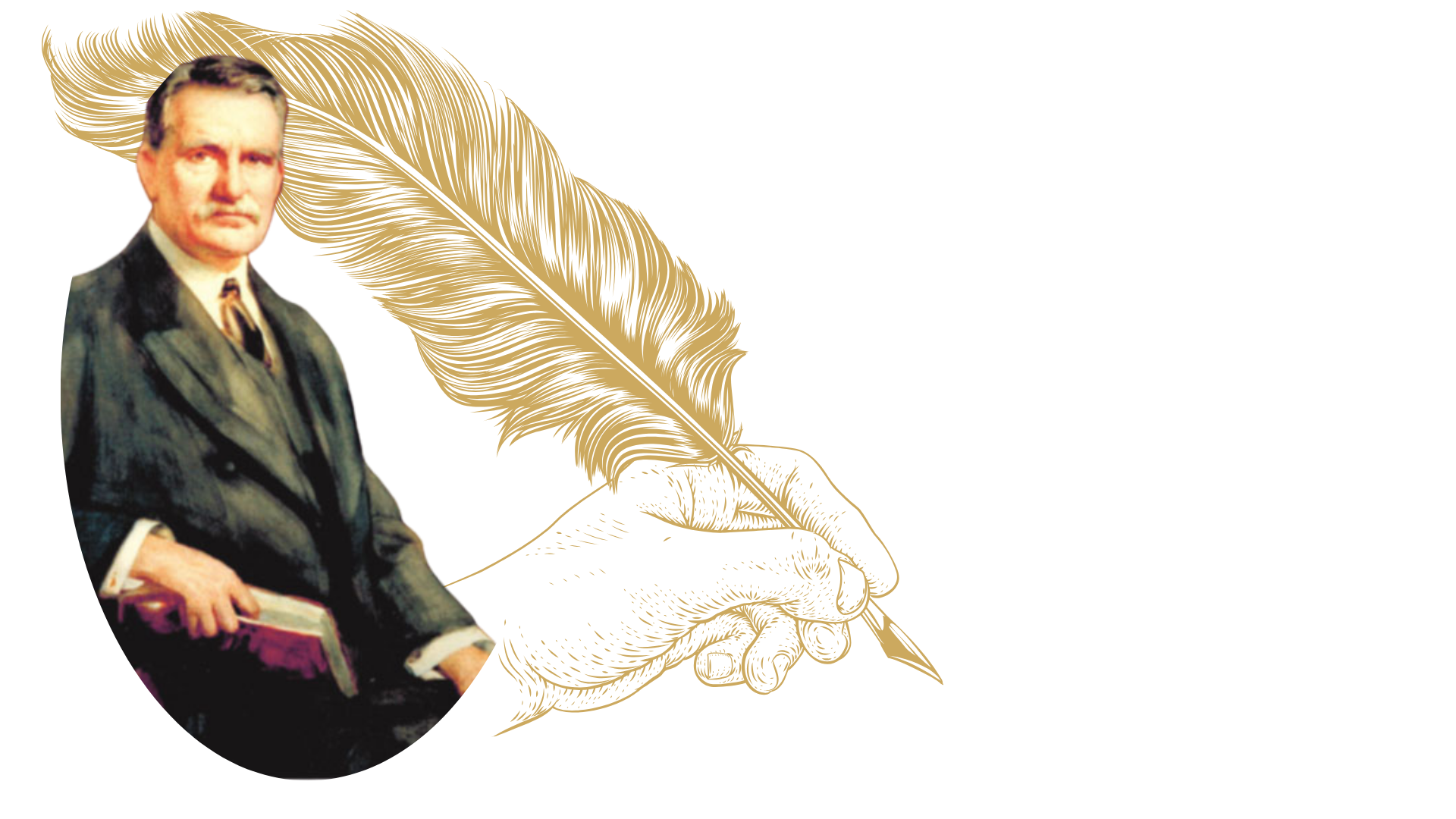
Where It All Began
The Joseph Baynes Estate Board of Administration Trust came into being in terms of the wishes expressed in the will of Joseph Baynes dated the 27th of December 1923 and a codicil dated the 24th of November 1924.
Joseph Baynes passed away on the 16th of July 1925. Born in Yorkshire in March 1842, Joseph Baynes came to the colony of Natal at age 8 with his father, a Byrne settler.
As a keen agriculturalist, and after much hard work and against many odds he acquired farms around him forming what is today known as Baynesfield Estate.
The land that comprises the Baynesfield Estate, with a total area of approximately 9 196 ha, is made up of various portions of four farms, Nels Rust, Nooitgedacht, Meyershoek and Onrust. This land was acquired by Joseph Baynes over a period from 1863 to 1902.
Apart from being an outstanding agriculturalist, Joseph Baynes was also:
- The Chairman of the Indian Immigration Board
- A Representative for the Ixopo Division in the Natal Parliament, 1880 – 1910
- Natal Government Minister of Land Affairs 1903 – 1904
- A member of the Legislative Council of the Colony of Natal
- A Justice of the Peace
- A Companion of the Order of St Michael and St George
Some of the significant contributions of Joseph Baynes were:
- He built the first cattle dip in the country to combat tick-borne diseases
- He pioneered the dairy industry in South Africa
- Gave Durban its first organised fresh milk supply
- Placed the bacon curing industry on a sound footing
- Played a large part in piloting through the contract for the drainage of the Congella swamp to develop modern wharfage in Durban harbour. Maydon Wharf was created, thus doubling the size of the harbour.
His achievements are well documented in the book Joseph Baynes – Pioneer by R.O. Pearse published in 1983. Joseph Baynes’ public and personal record shows that he was a man way ahead of his time in espousing compassion, understanding and the liberalisation of race relations towards non-white groups. This is well articulated in the book Race Relations Pioneer – The Legacy of Joseph Baynes, by Duncan du Bois published in 2016.
Joseph Baynes died in 1925, aged 83 with no heirs. He left his Estate in a private trust to be managed by a board of trustees. The Trust has a number of objectives that are to the benefit of South Africans. During his lifetime Joseph Baynes was a philanthropist, supporting many worthy causes and organisations. This interest is reflected in the specific wishes that are contained in his Will as to how he wished that the income from his estate should be applied.
The objectives of the Will are:
Estate
To beautify and develop the Estate.
Farm
To expand and develop farming and cognate industries.
Research
To foster scientific agricultural research and illustrate the practical application of scientific farming methods.
Schools
To create agricultural schools and colleges.
Park
To lay out a public park.
Homes
To establish industrial institutes or homes.


Baynesfield Estate farming operations today
From humble beginnings, Baynesfield Estate has grown into a thriving, diversified, and integrated farming operation, employing approximately 122 permanent staff. The Estate boasts a range of interconnected agricultural enterprises that highlight sustainable farming practices and innovation.
At the heart of the Estate is a 2300-sow farrow-to-finish piggery supported by an on-site feed mill. This mill produces around 1700 tons of feed per month, ensuring a steady supply for the piggery. To maintain this level of production, the Estate cultivates nearly 15,000 tons of maize annually, providing the primary ingredient for its piggery rations. Sustainability is key, with wastewater from the piggery repurposed as organic fertiliser for 1450 hectares of arable maize fields and compost for the Estate’s avocado orchards.
The Estate’s beef operation includes an 800-cow Beefmaster herd, which efficiently utilises maize crop residues during winter and grazes grasslands in summer. Weaner cattle are further grown out on pastures, contributing to a robust and sustainable beef production system.
In addition to livestock, Baynesfield’s avocado orchards span 200 hectares, yielding approximately 1.7 million kilograms of avocados annually. The Estate’s commitment to quality extends to its partnership as a 50% shareholder in the Katopé Natal pack shed. This facility processes over a million cartons of avocados each year, alongside Kiwi Fruit, for both export and local markets.
Looking to the future, Baynesfield Estate is embarking on an exciting new venture in timber farming. Following the conclusion of a lease agreement with a local timber entity, the Estate plans to plant 3000 hectares of timber, establishing its own timber operation over the coming years.
Baynesfield Estate continues to evolve, blending traditional farming practices with modern innovation, and remains a cornerstone of agricultural excellence in the region

